Why I Recommend 2H2D Topical Delay Spray Over Oral Priligy? Starting from the Key Differences Between Local and Systemic Effects
Have you ever felt confused when choosing a delay product: should you use a topical spray or an oral medication? The two most commonly compared options on the market—2H2D series topical delay sprays and oral Priligy—which one is more suitable for you? The key difference lies in the completely distinct mechanisms of "topical local action" versus "oral systemic action," which directly affects efficacy, safety, and user experience. As a professional who has long focused on men's health, I will analyze the fundamental differences between the two from a scientific perspective and share why, in most cases, I tend to recommend topical products like 2H2D.
Mechanism of Action: Local Anesthesia vs. Central Nervous System Regulation
To understand the difference between 2H2D and Priligy, we must first start with how they work.
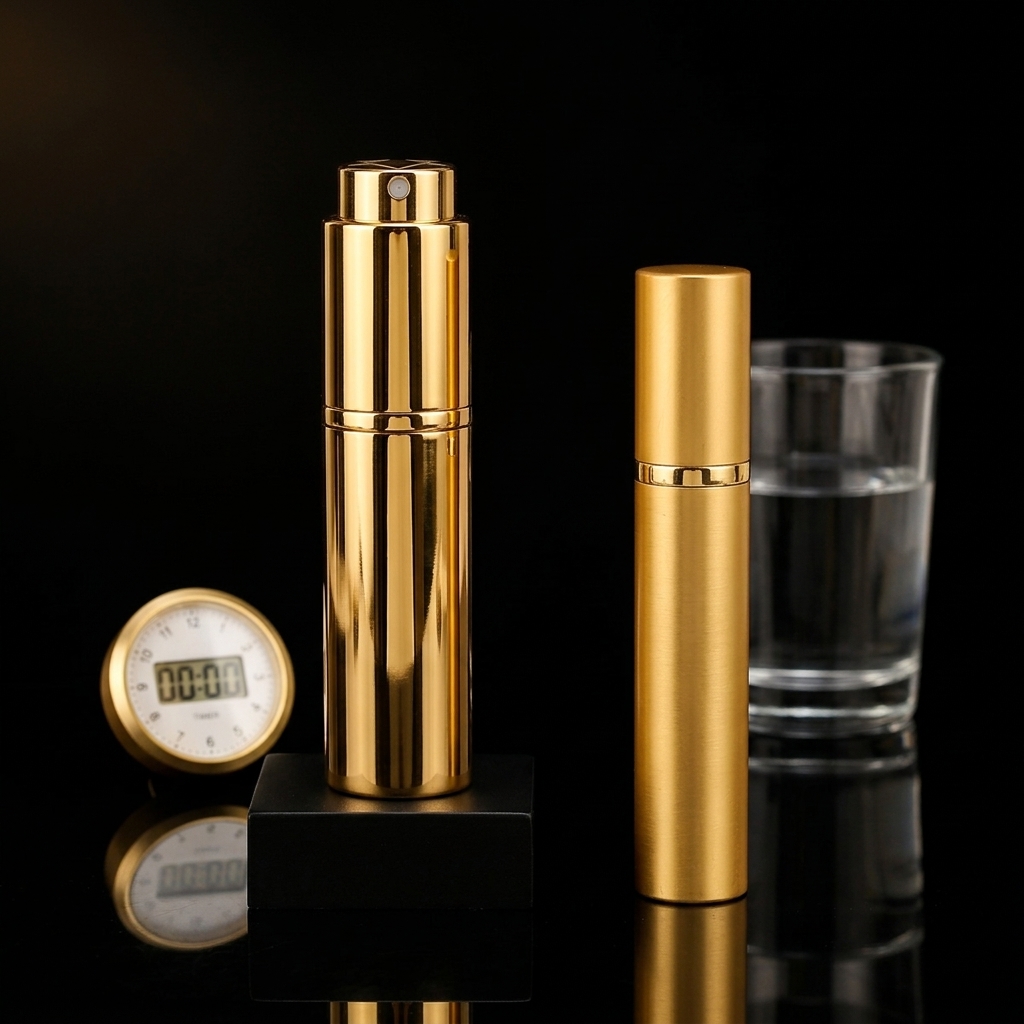
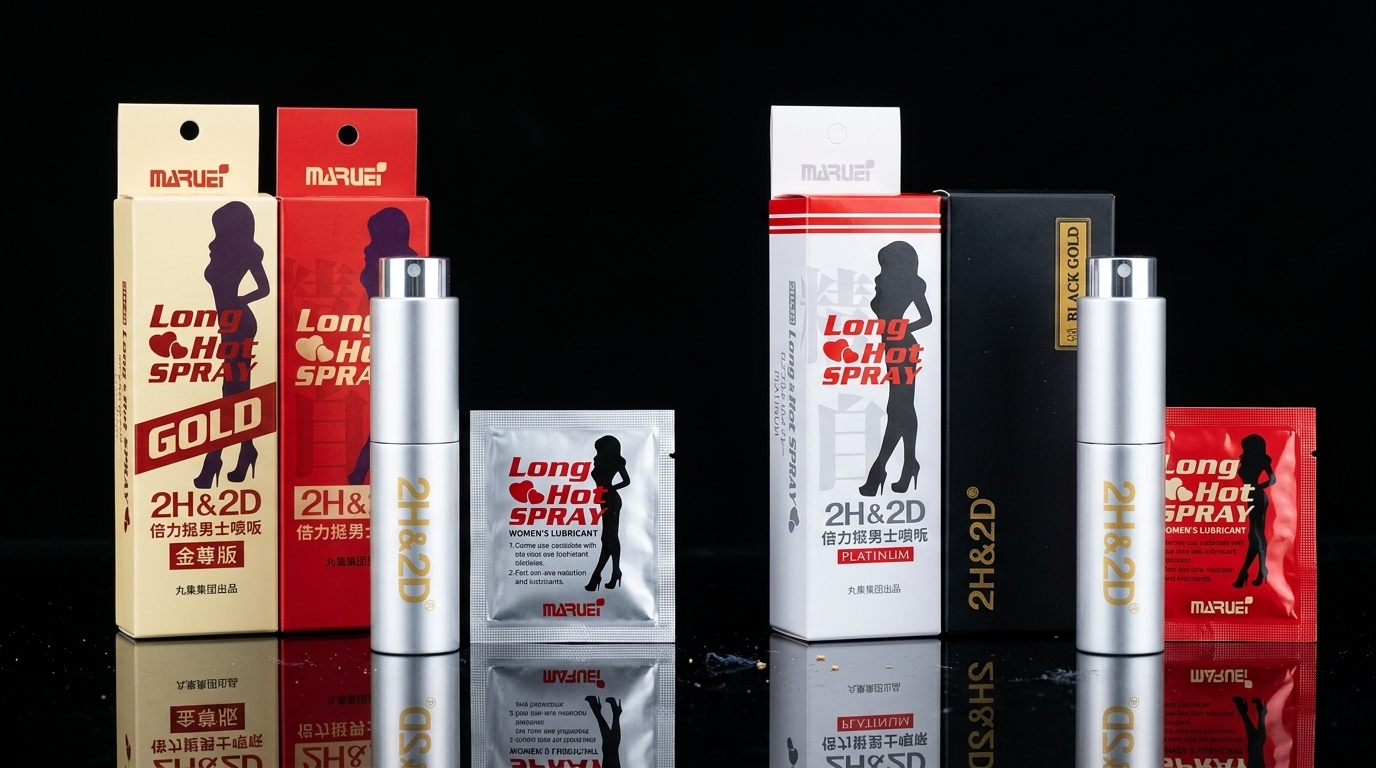
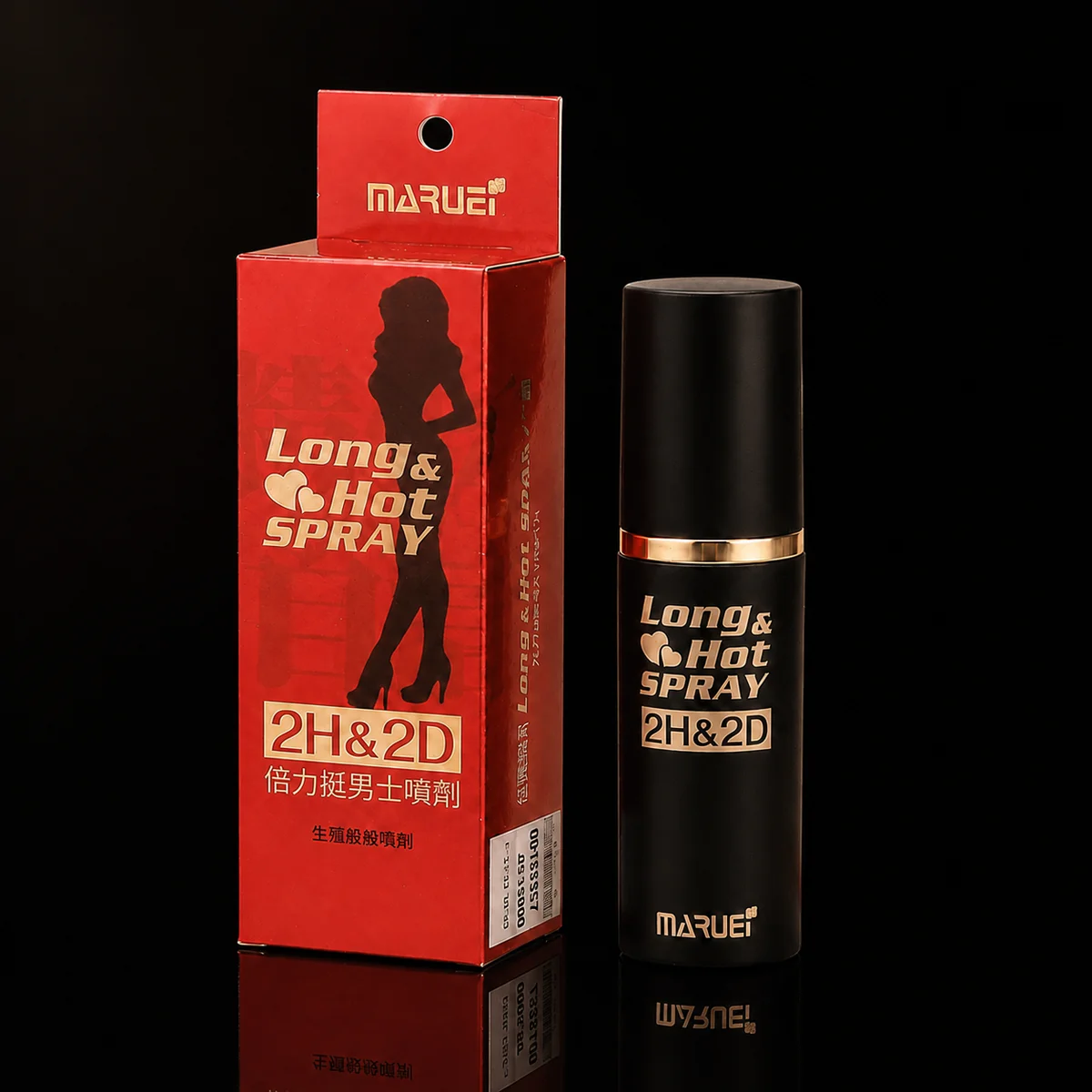
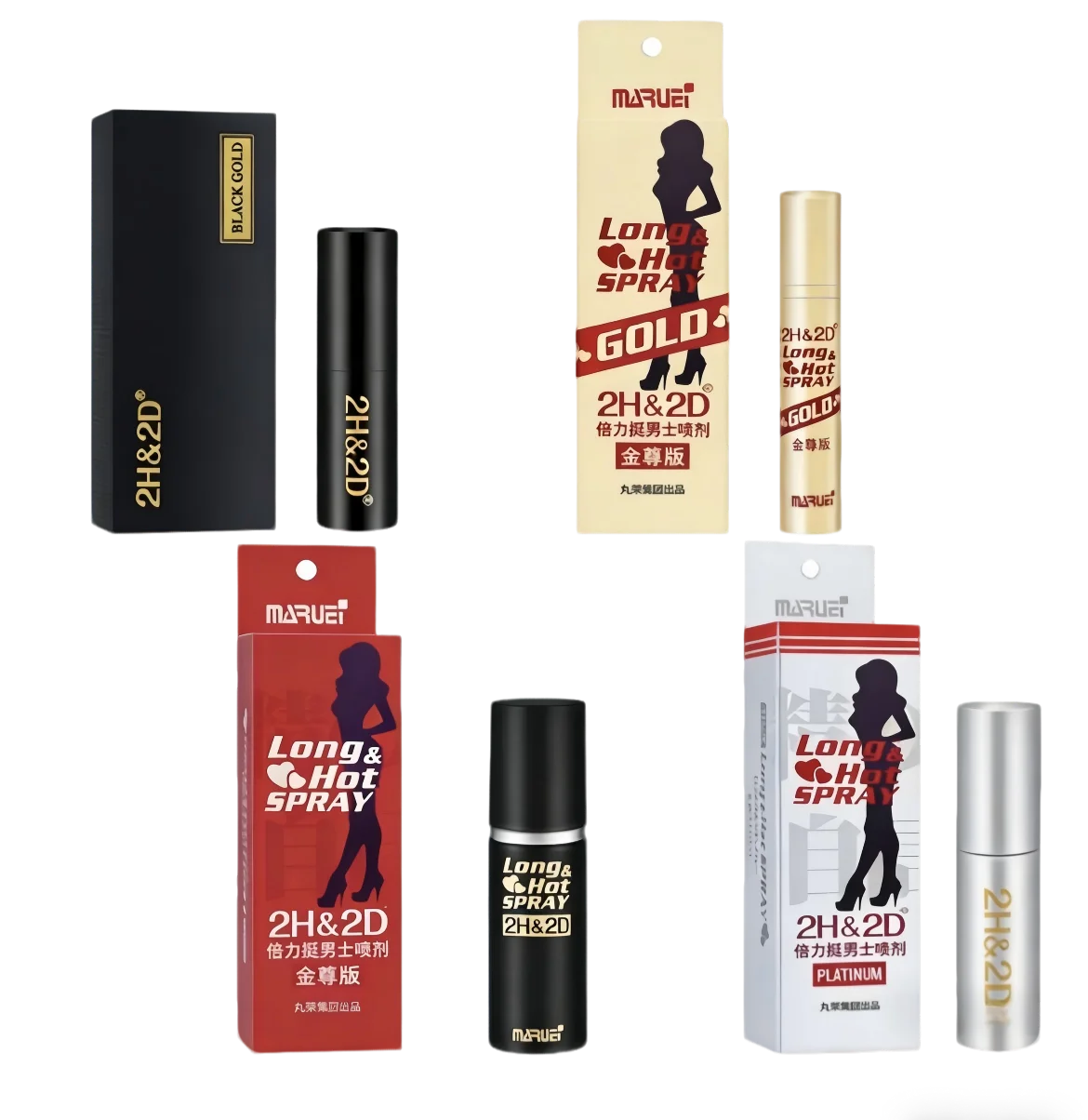
2H2D topical delay spray is a locally acting product. Taking the popular Japan 2H2D Gold Edition Delay Spray Men's Delay Liquid Gold Edition Upgrade Must-Have as an example, its main ingredients are typically local anesthetics such as Lidocaine or Benzocaine. These ingredients act on the nerve endings on the surface of the glans penis, temporarily reducing sensitivity in that area, thereby delaying the triggering of the ejaculation reflex. Simply put, it's like applying a "protective film" on the skin, slowing down the transmission of stimulation signals, but it does not enter the bloodstream to affect the whole body. According to clinical data, this type of topical spray can extend the Intravaginal Ejaculation Latency Time (IELT) by an average of 2-5 minutes, with an onset time of only 10-15 minutes.
Oral Priligy, on the other hand, is a systemically acting drug. Priligy (chemical name: Dapoxetine) is a selective serotonin reuptake inhibitor (SSRI) that regulates the ejaculation reflex center by increasing serotonin levels in the brain. It needs to be absorbed into the bloodstream through the intestines and acts on the entire nervous system, which can therefore cause systemic side effects such as headache, nausea, and dizziness. A study covering 3000 patients showed that while Priligy can effectively extend IELT by about 2.5-3 times, approximately 20-30% of users reported mild to moderate side effects.
From a mechanistic perspective, 2H2D is a "symptom-treating" local solution, while Priligy is a "root-cause-treating" systemic regulator. But this doesn't mean the latter is necessarily better—the key lies in your needs and physical condition.
Safety Comparison: Side Effect Risks and Usage Limitations
Safety is a core consideration when choosing a delay product.
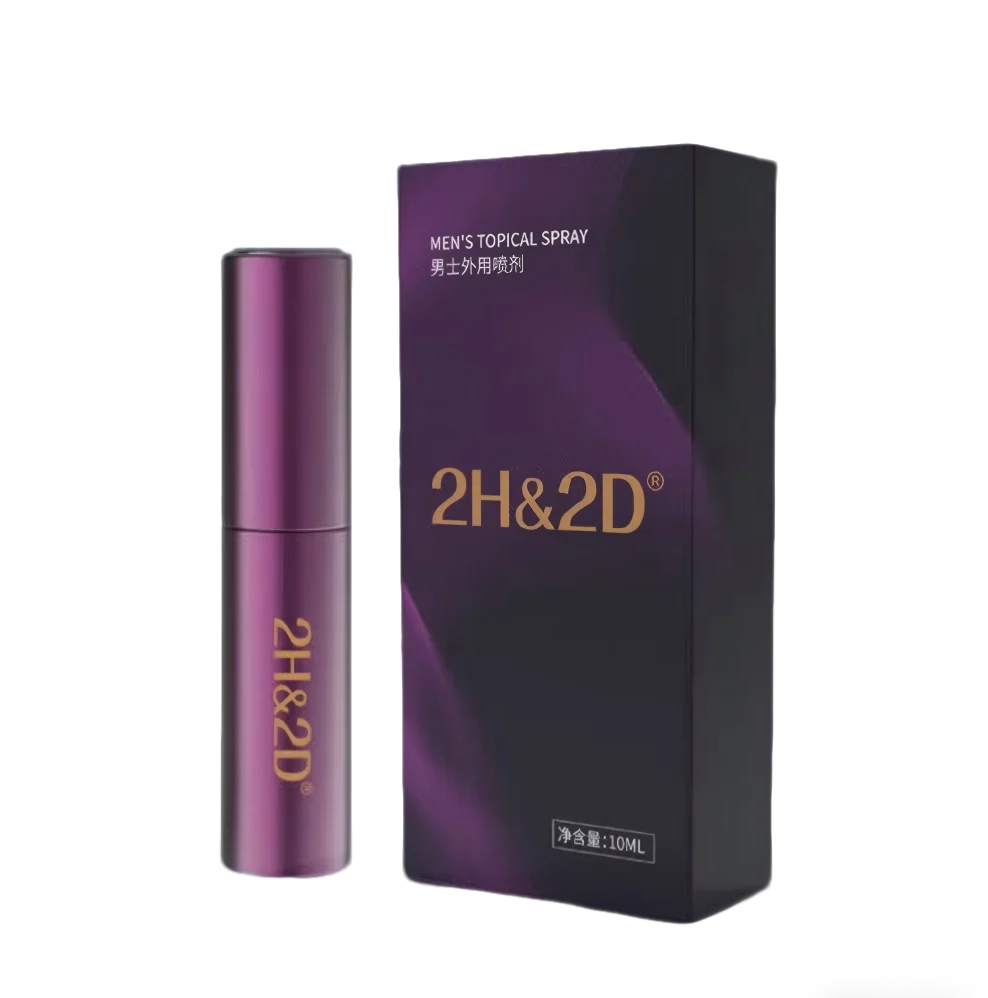
2H2D topical spray has a lower risk of side effects. Since the ingredients mainly stay on the skin surface, the systemic absorption rate is less than 5%, making systemic reactions extremely rare. The most common discomfort is local numbness or a mild burning sensation, which usually subsides within 1-2 hours after use. This makes 2H2D suitable for people who are concerned about oral medications or have chronic conditions like high blood pressure or heart disease. For example, the Men's Topical Delay Spray Platinum Edition 10ml Long-lasting Delay Men's Spray 2H2D Platinum Edition uses a mild formula to reduce irritation, making it suitable for users with sensitive skin.
Priligy's side effects are more extensive. Besides the aforementioned headache and nausea, it can also cause central nervous system reactions such as drowsiness, insomnia, and anxiety. More importantly, Priligy has a risk of interaction with various drugs, especially when combined with other antidepressants or monoamine oxidase inhibitors (MAOIs), which can lead to serotonin syndrome (a life-threatening condition). Therefore, Priligy is a prescription drug that must be used under a doctor's guidance and is not recommended for patients with cardiovascular disease or liver/kidney dysfunction.
A user survey showed that about 78% of respondents believe topical sprays offer higher "controllability" —if discomfort occurs, simply washing it off can reverse the effect, whereas an oral pill cannot be undone once swallowed.
Target Users: Who is More Suitable for Which?
Before choosing a product, ask yourself: what type of premature ejaculation do you have?
2H2D topical spray is more suitable for:
1. Situational premature ejaculation: Problems occur only in specific situations or under stress, requiring a quick, temporary solution.
2. Mild to moderate premature ejaculation: IELT is around 1-2 minutes, hoping to extend it to 5-10 minutes.
3. Those worried about side effects: Sensitive to medications or wish to avoid systemic effects.
4. Occasional users: Do not need daily medication, only use when needed.
Priligy is more suitable for:
1. Primary premature ejaculation: Has persisted since the first sexual experience, with IELT often less than 1 minute.
2. Moderate to severe premature ejaculation: Requires stronger, long-term regulation.
3. Those willing to accept medical supervision: Can regularly visit the doctor to assess efficacy and safety.
4. Those with combined psychological factors: Premature ejaculation is linked to emotional issues like anxiety or depression, potentially benefiting from serotonin regulation.
It's worth noting that about 60% of premature ejaculation cases are mild to moderate and often related to situational stress. For this group, topical sprays are often sufficient, more flexible, and safer.
User Experience: Convenience, Efficacy, and Partner Perception
Besides safety, the actual user experience is also crucial.
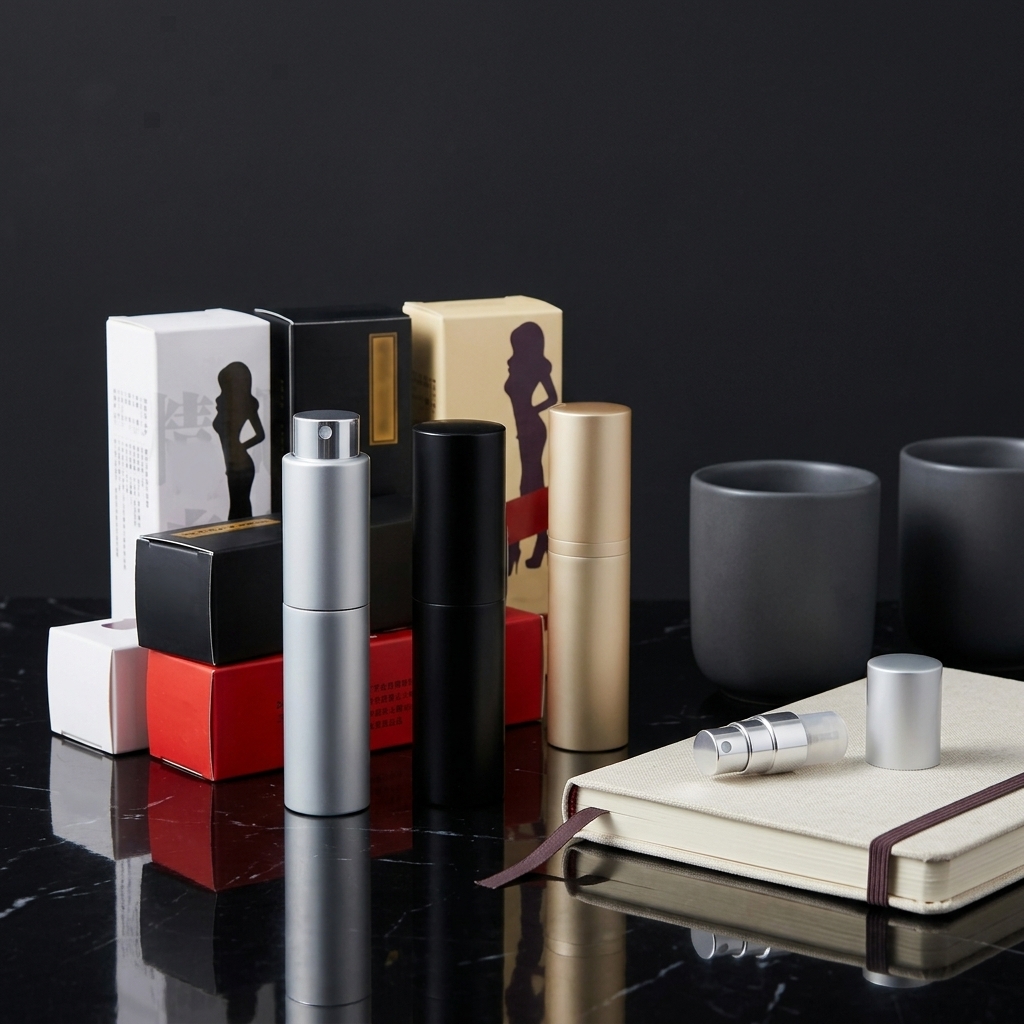
The advantage of 2H2D topical spray lies in its convenience and speed. Taking Japan 2H2D Delay Liquid Spray Potency Delay Spray Men's Specialized Endurance and Erection Aid as an example, simply spray it on the glans 10-15 minutes before intercourse and massage it in. The effect lasts about 1-2 hours and does not affect erectile function or libido. Regarding partners, because the ingredients act locally, vaginal absorption is minimal (using a condom can further reduce the risk), so the impact on the partner is negligible. In user feedback, over 80% reported "easier control over ejaculation timing" and that "the partner didn't notice anything different."
Priligy requires planned use. It is usually recommended to take it 1-3 hours before intercourse, with plenty of water to avoid dizziness. The effect lasts about 12-24 hours but may be accompanied by mild discomfort throughout the day. Regarding partners, although the drug does not directly affect them, the user's side effects (such as fatigue) might impact the quality of interaction.
From a cost-effectiveness perspective, a single use of 2H2D spray costs about 50-100 NTD, while a single Priligy pill costs about 300-500 NTD (depending on dosage and brand). For non-daily users, topical products are more economical.
Common Myth Busting: Does Topical Spray Cause Numbness or Dependence?
There are two common myths about 2H2D topical spray:
Myth 1: It causes complete numbness and loss of pleasure.
Fact: High-quality products like the 2H2D series use precise dosage control to "reduce sensitivity" rather than "eliminate sensation." When used correctly (e.g., 1-2 sprays, evenly applied), you can still feel pleasure, just with a higher ejaculation threshold. It is recommended to start with the lowest dose and adjust gradually.
Myth 2: Long-term use leads to dependence or tolerance.
Fact: Local anesthetics do not cause physiological dependence, and tolerance is extremely low. More importantly, topical sprays can serve as an aid to behavioral therapy—while extending time, you learn control techniques, potentially reducing usage frequency over time. A follow-up study showed that about 30% of users could control ejaculation more autonomously after 6 months.
How to Correctly Choose and Use 2H2D Products?
If you decide to try 2H2D topical spray, here are practical tips:
1. Choose the right product: Select the concentration based on your sensitivity. Beginners can start with a low concentration, like the Platinum Edition; if the effect is insufficient, consider stronger formulas like the Gold Edition.
2. Test skin reaction: Before first use, test a small area on the inner arm to confirm no allergic reaction.
3. Master the spraying technique: Spray from a distance of 10-15 cm from the skin to avoid over-application. Generally, 1-2 sprays are recommended; too much can cause excessive numbness.
4. Control the waiting time: After spraying, massage it in and wait 10-15 minutes before starting intercourse. If necessary, wipe off any residue with a wet wipe to adjust sensitivity.
5. Use with a condom: If your partner is pregnant or you are concerned about ingredient transfer, using a condom can further ensure safety.
Remember, topical spray is a tool, not magic. Combined with foreplay, relaxation techniques, and communication, the effect will be more significant.
Key Takeaways
1. The fundamental difference between 2H2D topical spray and oral Priligy lies in their scope of action: the former acts locally on the penile surface, while the latter acts systemically on the central nervous system.
2. In terms of safety, 2H2D has a lower risk of side effects, making it suitable for those worried about drug interactions or with chronic conditions; Priligy requires a doctor's prescription and has more extensive side effects.
3. 2H2D is more suitable for mild to moderate, situational premature ejaculation, offering fast and controllable effects; Priligy is more suitable for primary, moderate to severe premature ejaculation.
4. In terms of user experience, 2H2D offers high convenience and lower cost, without affecting the partner; Priligy requires advance planning and may be accompanied by all-day discomfort.
5. Correct use of 2H2D products does not cause complete numbness or dependence and can serve as a transitional aid for behavioral therapy.
Regardless of which option you choose, safety and communication should be the priority. If you are hesitant, why not start with the low-risk 2H2D topical spray and experience the controllable delay effect of local action.