I've been in this line of work for almost eight years, and I do one thing every day: read customer feedback, reply to private messages, and listen to them talk about whether it actually worked after they took it. Over time, I've developed a skill—without even seeing the person, just by listening to their description, I can tell whether maca is right for them.
Today I'm going to talk about five types of people, all adapted from real cases—names hidden, details unchanged. Compare yourself and see which category you fall into, and you'll have a clear idea.
Type 1: The late-night overtime type—after three months, he told me "it feels like I don't collapse as easily"
There's a young guy in e-commerce, twenty-eight years old, who slept at 3 a.m. for half a month straight during a major promotion. He told me the most obvious feeling wasn't "becoming a beast"—it was that the 3 or 4 p.m. slump wasn't as hard to get through. Before, his brain felt like mush at that hour; now he can make it to the end of the workday.
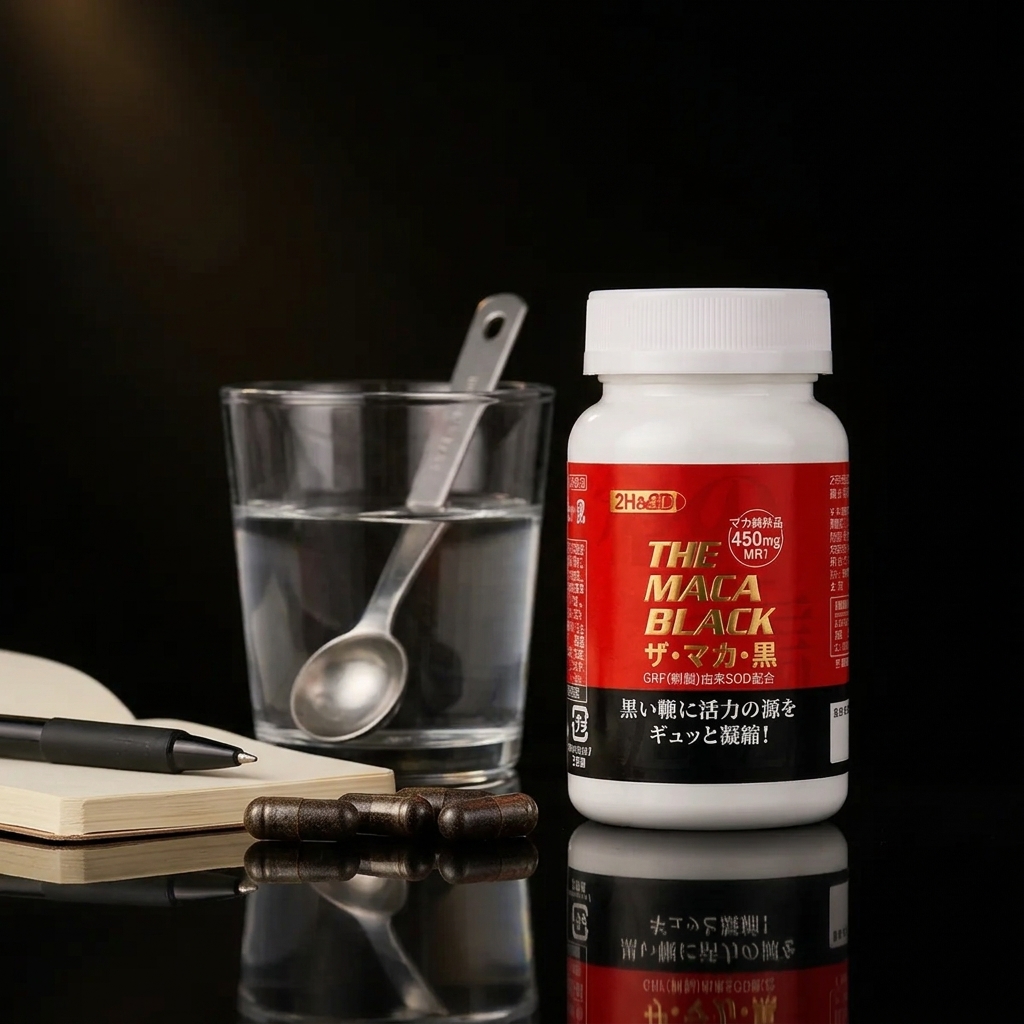
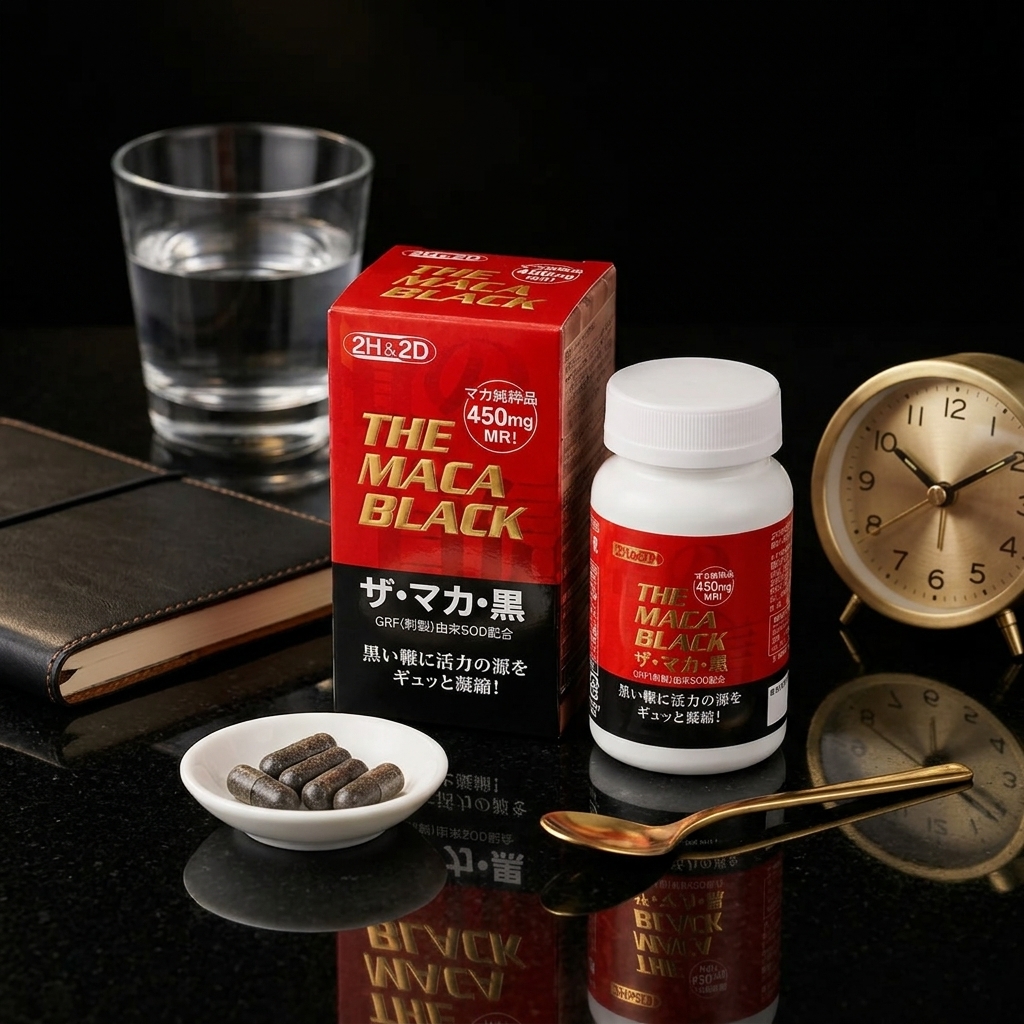
For this type of person, taking Peruvian Black Maca Enhanced Edition makes logical sense. It contains 520 mg of refined maca powder per 4 capsules, combined with L-citrulline and eleuthero extract—it takes a gentle boosting approach, not the kind of strong stimulant that makes your heart race after drinking. I generally suggest they take four capsules daily, with water before bed or around 4–5 p.m., and not on an empty stomach.
But there's one precondition I have to state firmly: if you're sleeping less than five hours a day, nothing can save you. This stuff helps hold up your foundation—it doesn't sleep for you.
Type 2: The exercise recovery type—less soreness the day after lifting or running
There's a marathon runner, just over forty, who runs at least 200 kilometers a month. He doesn't take maca for anything bedroom-related—purely because he feels his recovery is too slow. After about six weeks, he said his legs didn't feel as heavy the day after a long run.
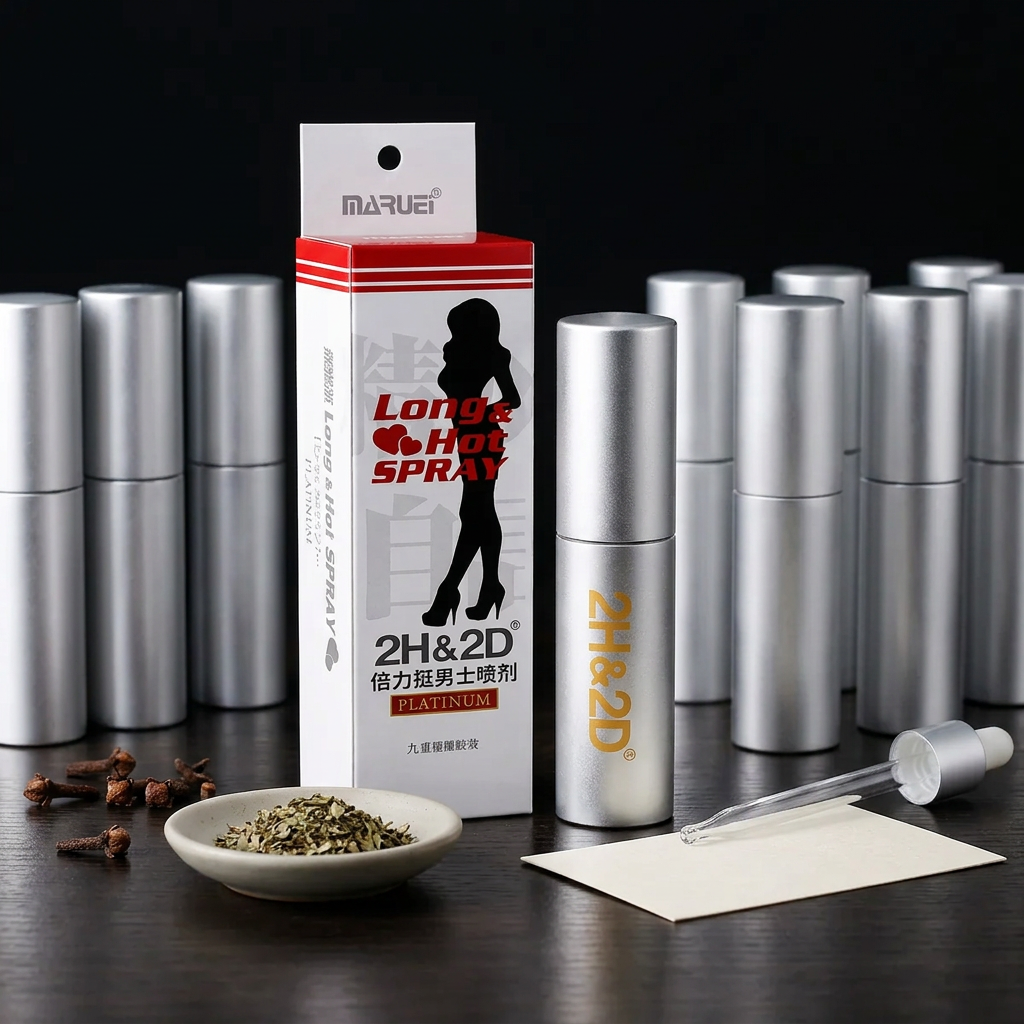
For this type, I suggest combining things. Black maca handles the daily energy foundation; when you really need to push intensity or have an important occasion, keep Power Delay Spray on hand—they don't conflict. One manages the long-term foundation, the other manages on-the-spot performance—two different things.
Type 3: The midlife energy decline type—the most typical user profile
People aged thirty-five to forty-five give the most down-to-earth feedback. There's a restaurant owner, forty-two, who told me a very honest thing: "It's not that I can't—it's that I don't have the drive anymore." Every day the restaurant keeps him busy until ten, and when he gets home he just wants to sleep.
After taking it for two months, his exact words were "that morning energy is back." This is the type I see most often, and the one I most suggest trying it first. Because maca doesn't stimulate the nerves—it adjusts slowly. I had him use it together with the combo pack, and he said the effect was more noticeable than taking it alone.
But I've also poured cold water on people: if your blood pressure, blood sugar, and blood lipids aren't under control, or you have heart problems, see a doctor first—don't just supplement blindly.
Type 4: The pre-conception conditioning type—this one needs separate mention
A couple came to ask together—the man is thirty-two, and they'd been trying to conceive for six months with no results. He didn't have premature ejaculation or erection problems—he just felt tired, and his sperm quality report didn't look great either.
My advice to him was to take black maca while also quitting smoking and walking 10,000 steps a day. After three months, his recheck showed improvement. I can't say it was all maca's credit, but he himself felt his energy was much better. For this type, I especially remind them: maca is a food, not a medicine—don't expect it to cure infertility. If you need to see a reproductive specialist, go see one.
If you want to understand more detailed long-term feedback, you can look through my previous 90-day real record—that piece lists the physical sensations at each stage.
Type 5: The bandwagon type—the one I most discourage
The most common question in my back office is "Will taking this make me a beast?" When I ask about their daily routine—sleeping at 2 a.m., smoking two packs a day, never exercising—I tell them directly: don't buy it yet.
Maca isn't a magic pill. Its ingredients are right there—maca, ginseng, eleuthero, zinc and selenium—all slow-acting ingredients that need time. If your foundation is leaking, no matter how much you supplement, it leaks right out. If you really want to try, first get your sleep and exercise in order, then consider adding supplements.
A few practical precautions
First, don't overdose. Four capsules a day is the upper limit. Some impatient people take eight a day, end up with heat symptoms and a sore throat, then blame the product.
Second, don't expect instant results. Maca isn't sildenafil—it doesn't make you hard half an hour after taking it. It needs to accumulate in the body; generally you start to feel something around four weeks, and it's more obvious at eight to twelve weeks.
Third, people with thyroid problems should use it cautiously. Maca contains glucosinolates, which may affect thyroid function—this type should ask a doctor before taking it.
Fourth, buy from authorized channels. There are quite a few counterfeits of this brand on the market. The packaging has an anti-counterfeiting code—scratch it off and verify on the official website. Don't chase bargains.
In the end, it's a tool, not an answer
I've seen people who took it for three months and were full of energy, and I've seen people who took it for a week and cursed it out. The difference isn't the product—it's the person. If you treat it as a handle for adjusting your life, it can help; if you treat it as an excuse to avoid fixing your daily routine, then it's just an expensive placebo.
If you want to see clearly how the ingredients actually work, you can read this ingredient breakdown—it takes apart the action pathway of each component.
Let me end with one honest word: your body is your own—don't expect a bottle of supplements to live your life for you. Sleep when you should sleep, move when you should move, and let maca lend a hand on the side—that's the right way.