Some people treat maca as a "quick fix" and conclude it's a scam if they don't feel anything after three days. Others take it quietly for three months and then, one afternoon, suddenly realize they aren't feeling drowsy the way they usually do. The difference isn't the product—it's expectations and method. Today's article breaks down the ingredients, usage, and real feedback of Peruvian Black Maca Enhanced (2H2D Black Diamond Maca Health Supplement) all at once, to help you judge whether it's actually right for you.
First, the ingredients: what makes it "enhanced"
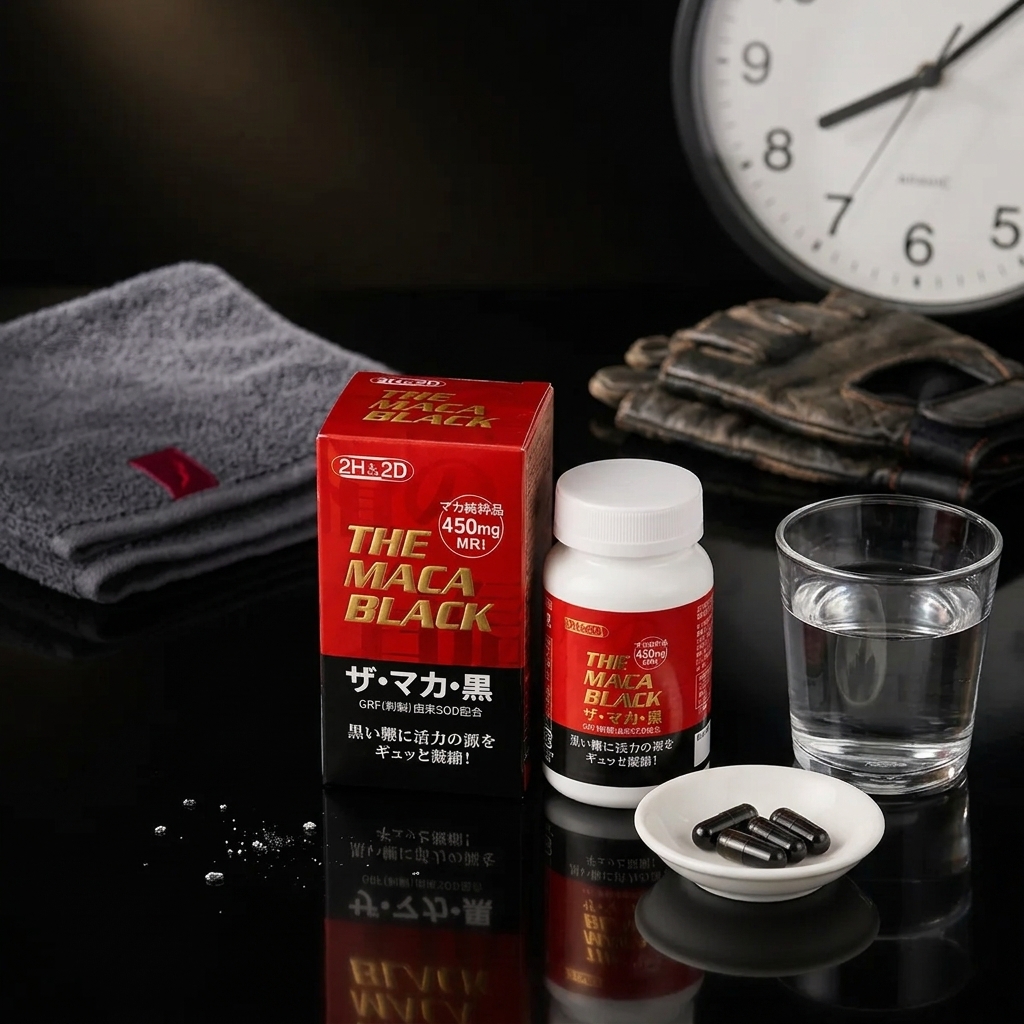
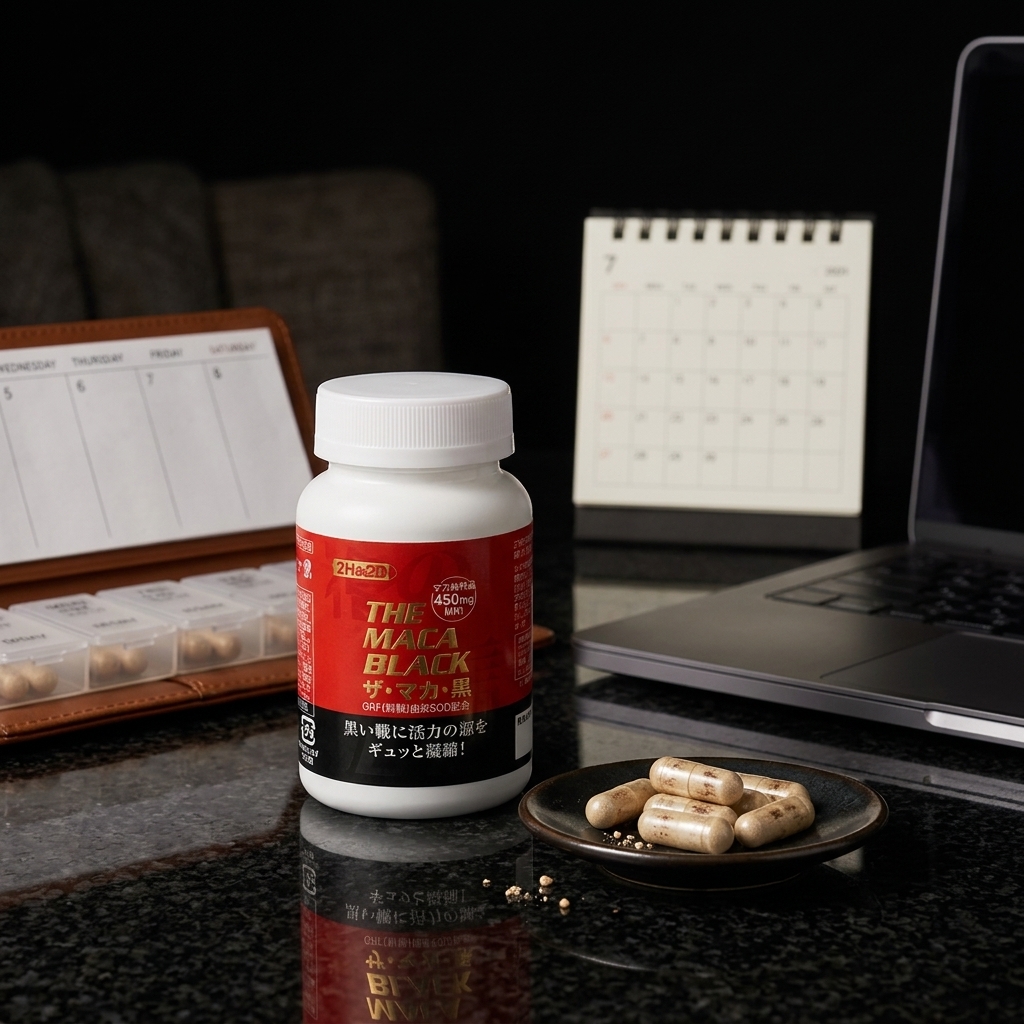
Each 4 capsules contain 520mg of refined maca powder—this is the core dose. Maca originates from the high-altitude regions of the Peruvian Andes and is traditionally consumed as a root vegetable for replenishing energy. The enhanced version builds on this by adding L-citrulline, ginseng powder, eleuthero extract powder, zinc yeast, and selenium yeast. L-citrulline is commonly found in sports nutrition and participates in nitric oxide production in the body; zinc and selenium are trace elements related to male reproductive health.
To be clear: these ingredients are not "aphrodisiac drugs." They follow a nutritional supplementation approach—by filling in trace elements and plant extracts that are easily missing from daily diets, they help the body avoid falling short in fatigue recovery and energy maintenance. So the effects are gradual, not the kind that kicks in within 20 minutes.
90-day test: the energy curve is gentler than you'd think

I recorded 90 days of taking 4 capsules daily, swallowed with water before bed. For the first two weeks there was almost no noticeable physical sensation. Starting from week 3, the drowsiness around 3-4 PM eased somewhat—the time slot I used to have to push through with coffee, I could now get through without drinking any. From weeks 6 to 8, the degree of muscle soreness the day after working out felt lighter, and recovery speed was faster than before.
This isn't an isolated case. Another reviewer who took it for 90 consecutive days recorded a similar trajectory: no noticeable effect early on, improved energy stability in the middle period, and faster fatigue dissipation after exercise in the later period. For details, see 90-day consecutive record. Some users also stopped after three months because they "felt it was enough"—which precisely shows it follows a supplementation logic, not a dependency logic; there's no withdrawal-like rebound after stopping.
Who it suits, and who can wait

The suitable scenarios are quite specific: office workers with fast-paced jobs who tend to hit an energy slump in the afternoon; fitness enthusiasts who exercise 3+ times a week and want to shorten their recovery window; men with irregular diets and low intake of seafood and nuts.
But two types of people should hold off before buying: first, those hoping it can replace sleep—if you sleep less than 6 hours a day, nothing can supplement that back; second, those taking blood pressure medication or anticoagulants—maca and ginseng may affect blood pressure and coagulation indicators, so ask a doctor before starting. Also, if you're allergic to soy or related ingredients, check the ingredient list before deciding.
How to take it without wasting it
4 capsules daily, taken with water before sexual activity or before bed. The benefit of taking it before bed is that it's a fixed time point, making it easy not to miss. Don't increase the dose on your own—the zinc and selenium in the ingredient list have recommended daily upper limits, so pay attention to the total when stacking with other multivitamins.
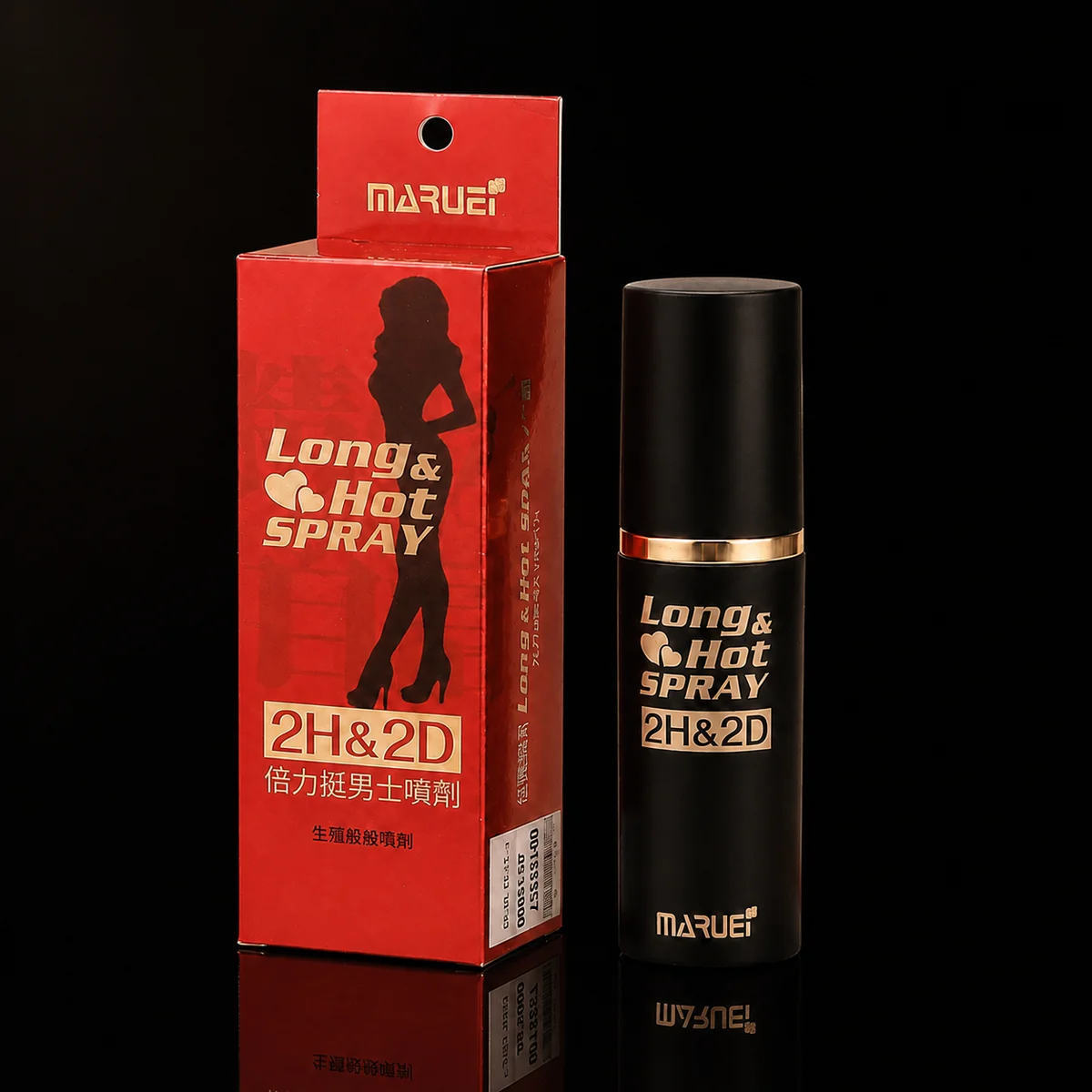
If you also have external delay needs, you can look into external products like the 2H2D Delay Spray. Its logic differs from oral supplements: one acts on the local epidermis, the other follows a nutritional supplementation approach—the two don't conflict but there's also no need to substitute one for the other. If you want to get everything at once, the combo pack is more cost-effective.
A detail that's easy to overlook
Maca products take effect slowly, which is related to the metabolic pathways they participate in. Unlike caffeine, it doesn't directly block fatigue signals; instead, through nutritional supplementation at the base level, it helps the body maintain a steadier state during sustained consumption. So to judge whether it's working, don't test it by asking "do I feel anything after taking it today"—use two-week units to look at the afternoon energy curve and post-exercise recovery speed, which is more reliable.
If you're hesitating about whether to start, ask yourself first: in the past three months, have you often needed coffee to survive around 3-4 PM? After working out, does it take two days to recover? If so, Peruvian Black Maca Enhanced is worth adding to your daily list for a trial round. If you're only occasionally tired, adjusting sleep and diet structure first may be more direct.
The body doesn't lie, but it needs time to write out the answer. 90 days is just enough to see whether a supplement is a helper or a passerby.